Infections of the spine can affect the surrounding soft tissues, intervertebral discs, or vertebrae. They could develop following surgery or trauma, or they could spread through the bloodstream. In order to avoid neurological damage, early diagnosis is essential.
Types
Discitis
Osteomyelitis of the vertebrae
Abscess in the epidural
Tuberculosis in the spine
Risk Elements
Diabetes
Immunosuppressive
Use of intravenous drugs
Prior spinal surgery
Symptoms
Back pain that never goes away
Malaise and fever
Loss of weight
Deficits in the nervous system
Diagnosis
Blood tests (CRP, ESR)
MRI using contrast
Biopsy of tissue
Treatment
Anti-tubercular medication or long-term antibiotics
Immobilization
If necessary, surgical drainage or stabilization
1. Tuberculosis 2. Pyogenic
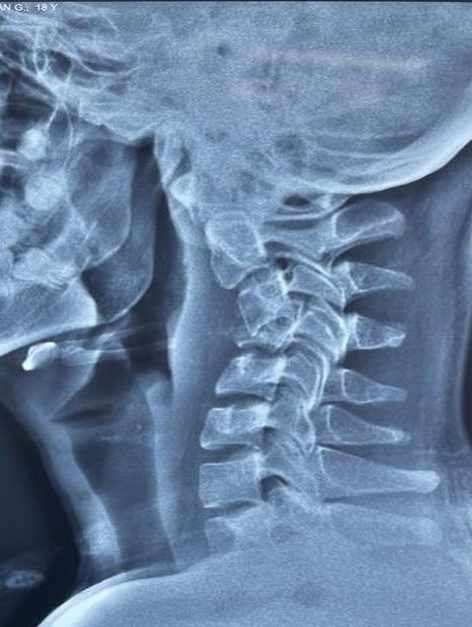
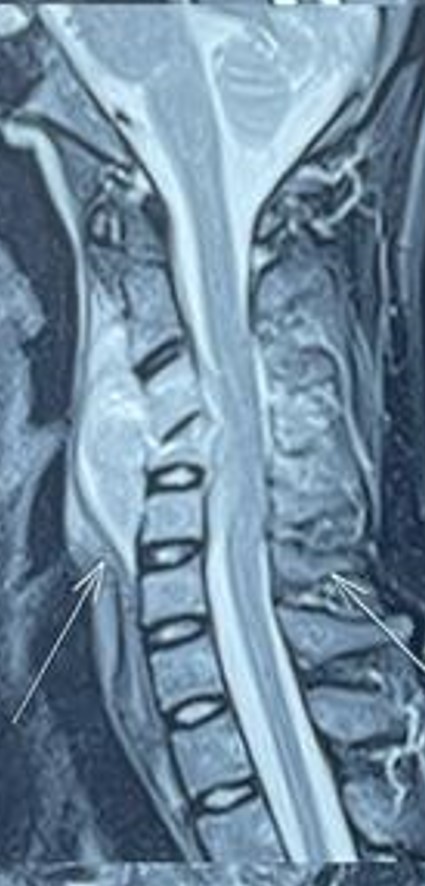
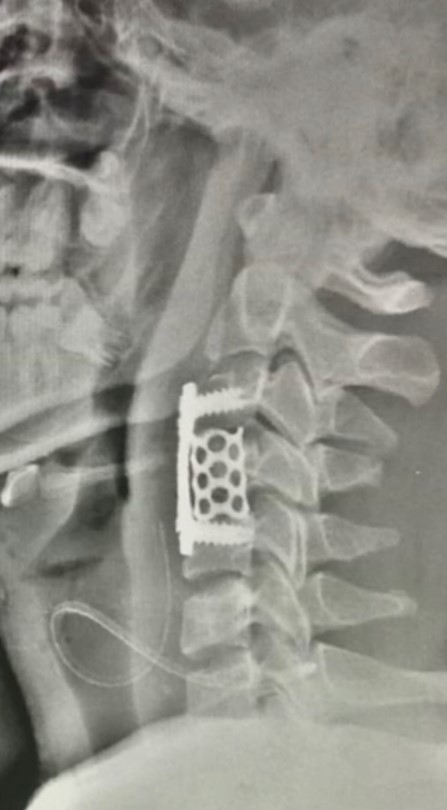
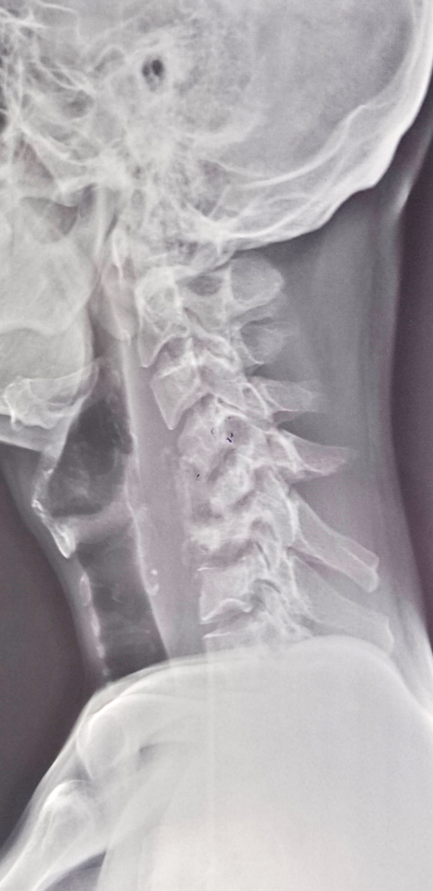
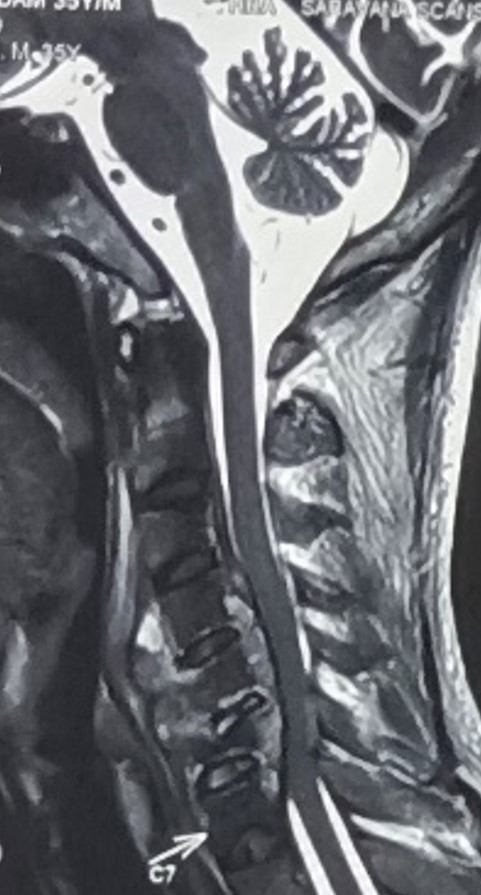
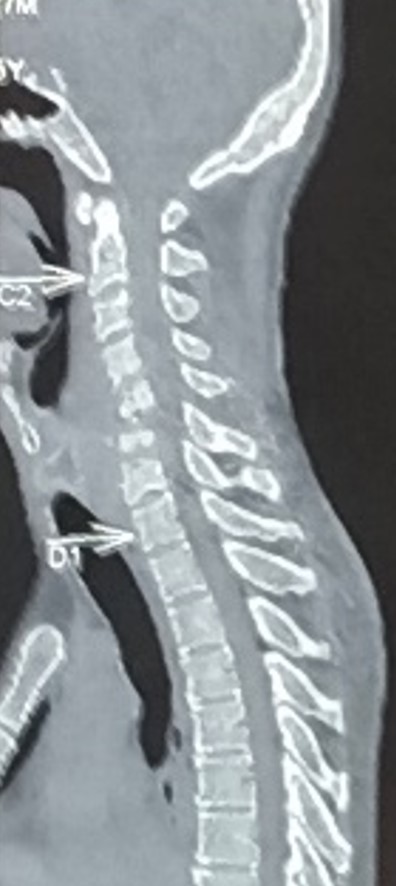
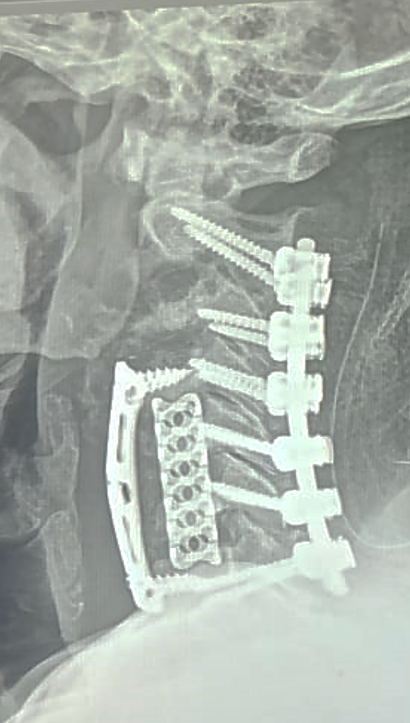
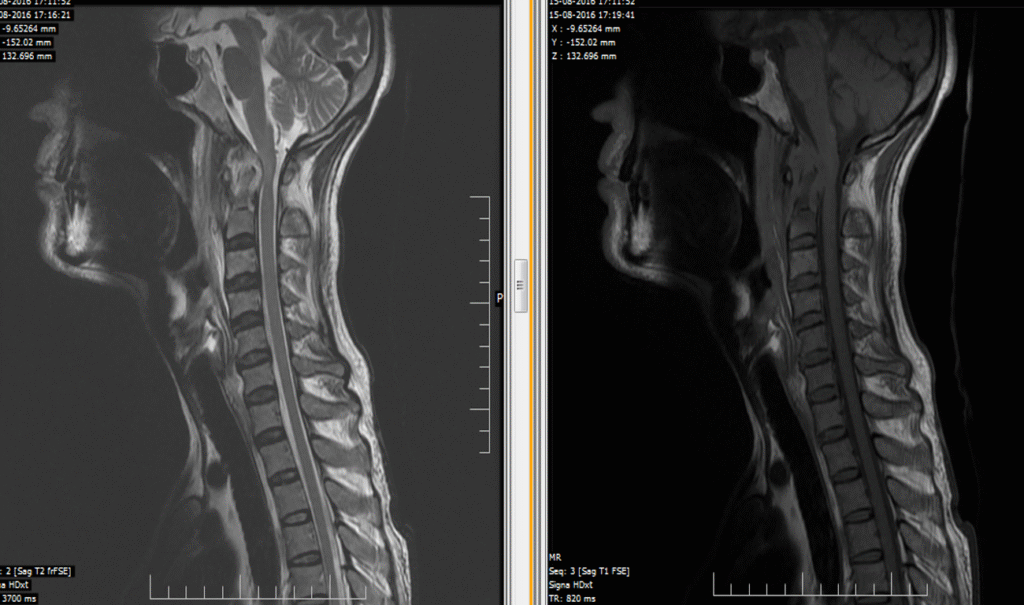
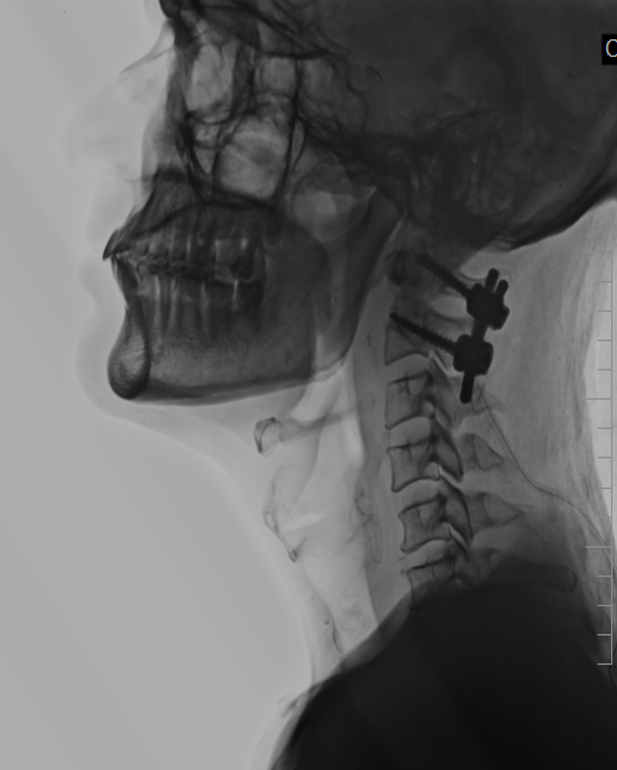
C4 vertebral body TB with kyphosis
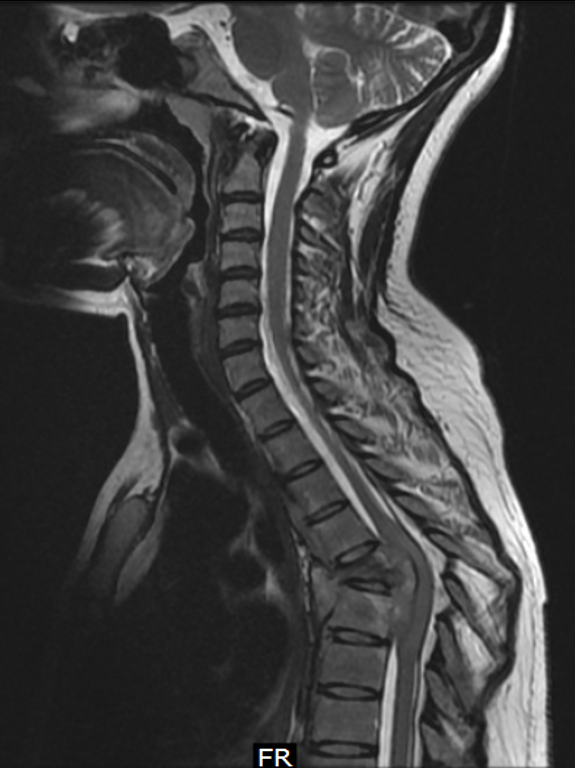
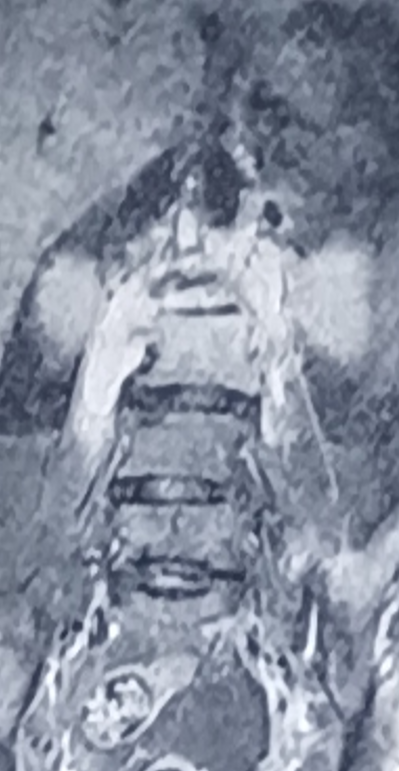
Multilevel TB destruction with kyphosis
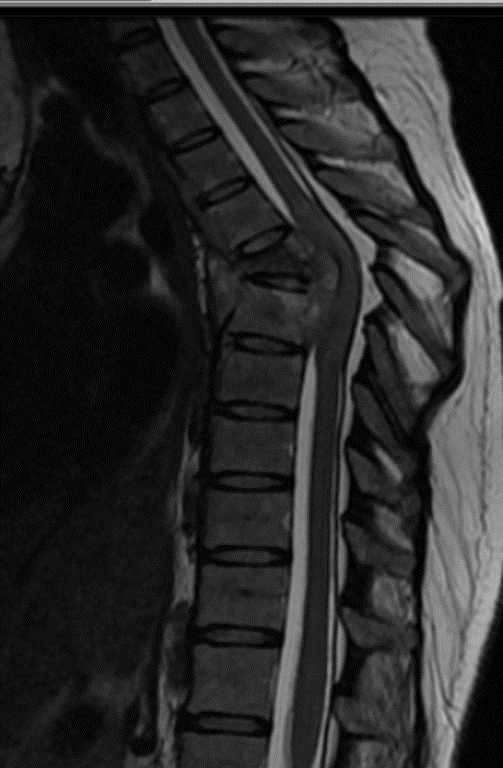
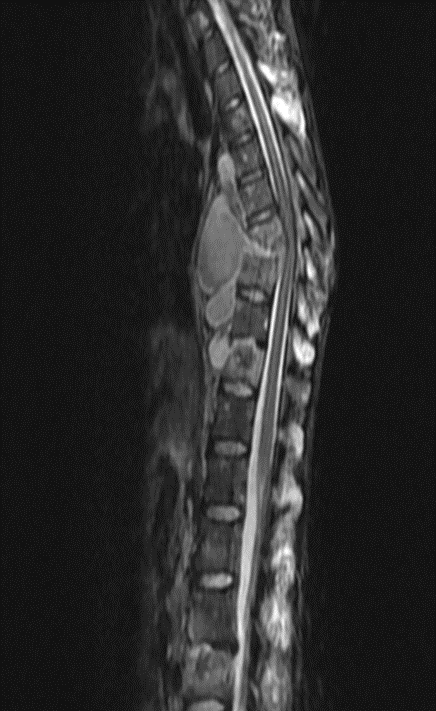
High Thoracic Tuberculosis with Paraplegia
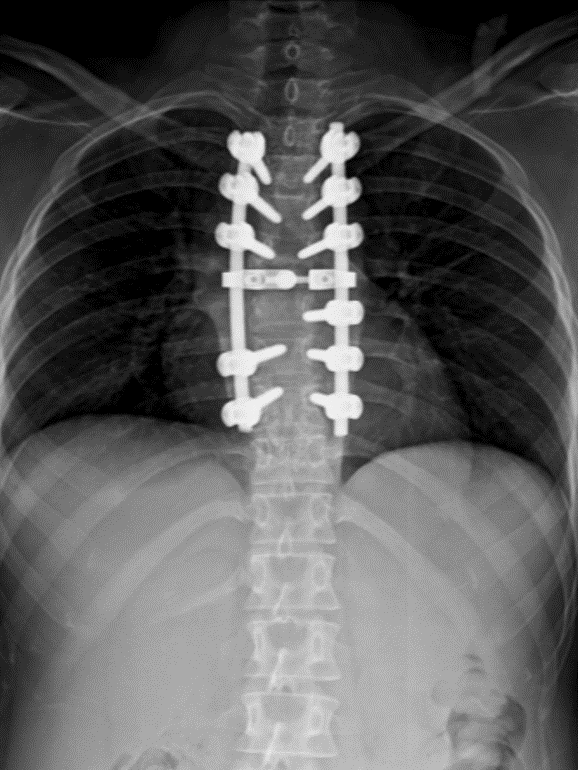
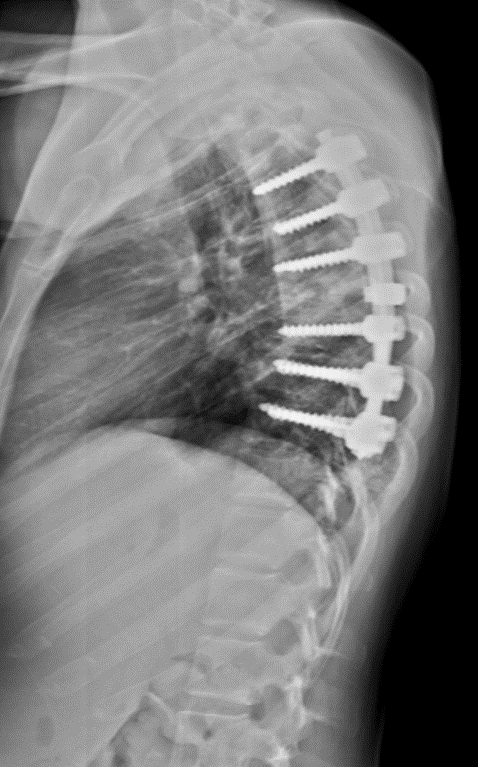
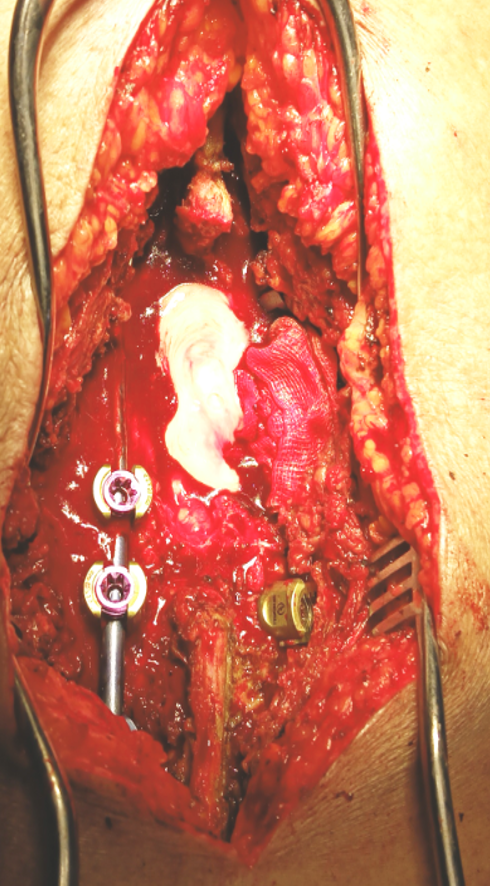
Decompression, Trans-pedicular bone graft and fusion
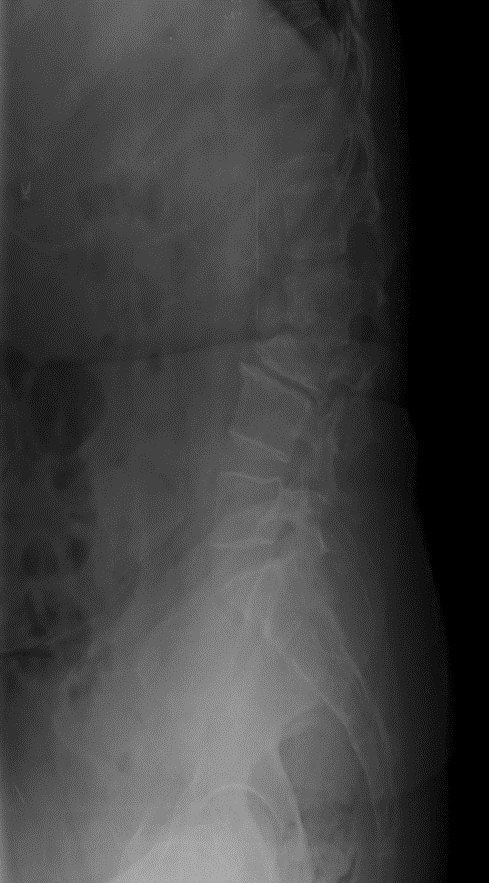
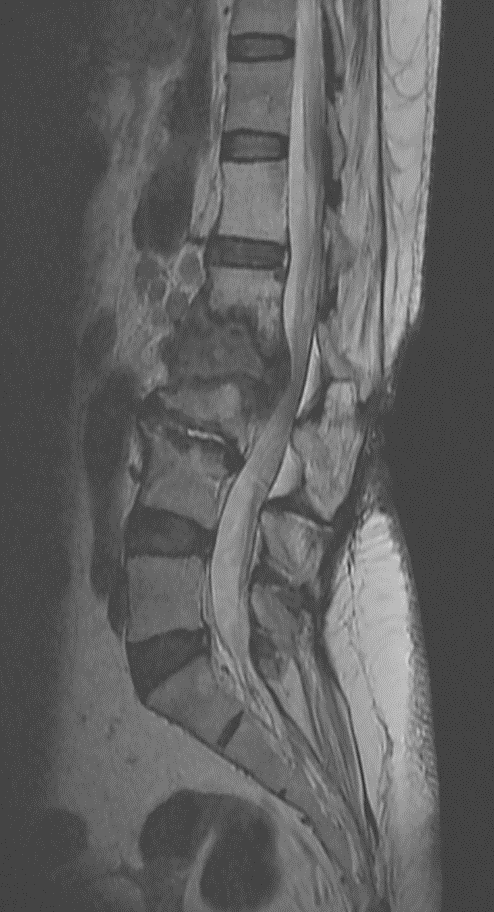
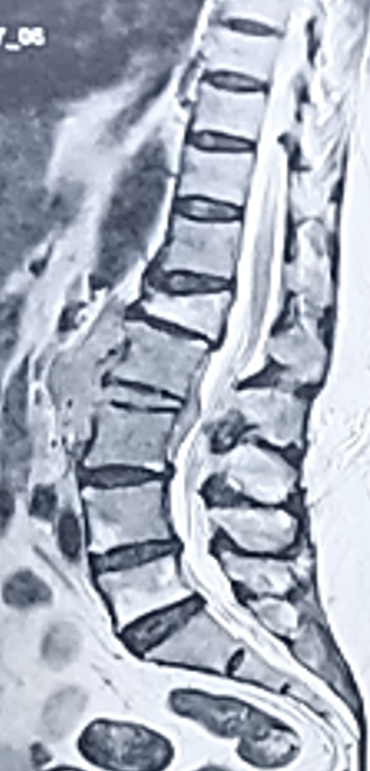
Lumbar Spine Tuberculosis
Multi focal Tuberculosis
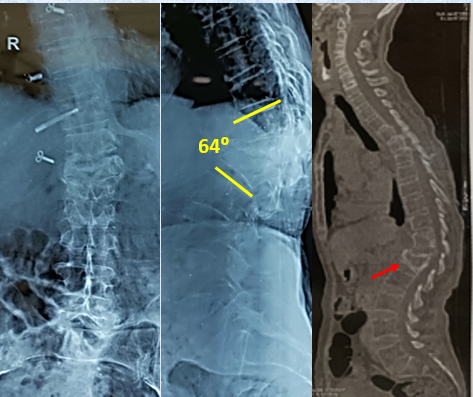
X ray – Severe osteoporosis with acute kyphosis with 64 degrees
CT- vertebral body destruction and retropulsion
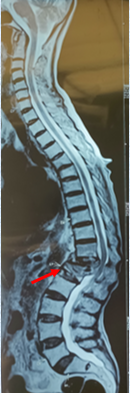
MRI reported Infective Spondylitis T12 and L1 vertebral body with cord compression
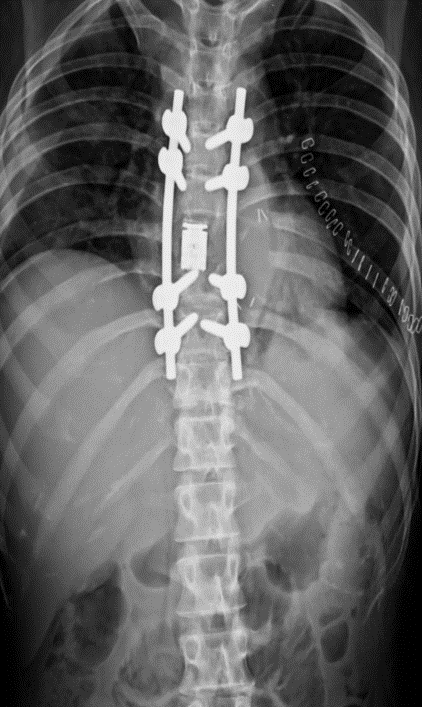
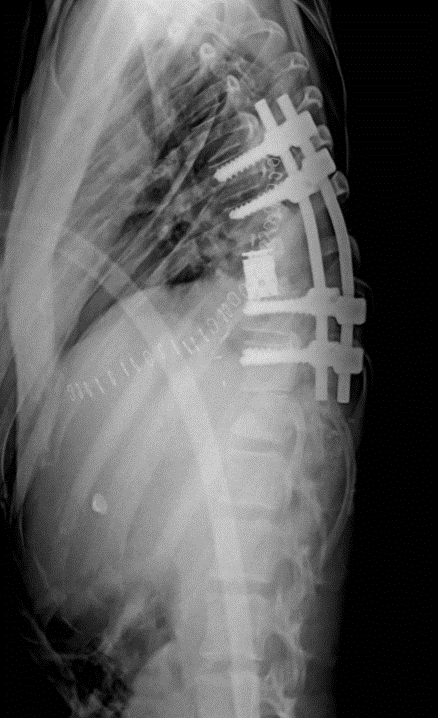
85 year old with TB and Kyphosis
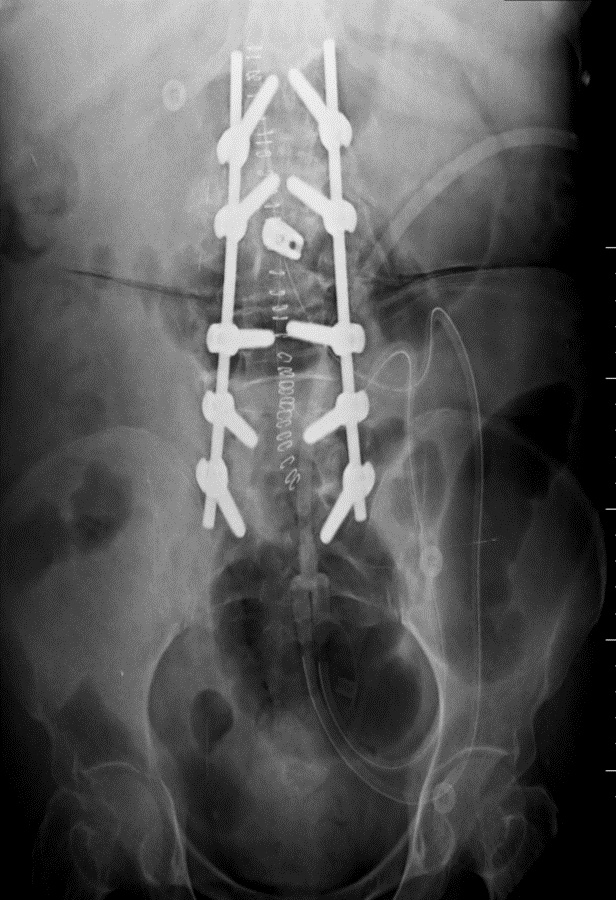
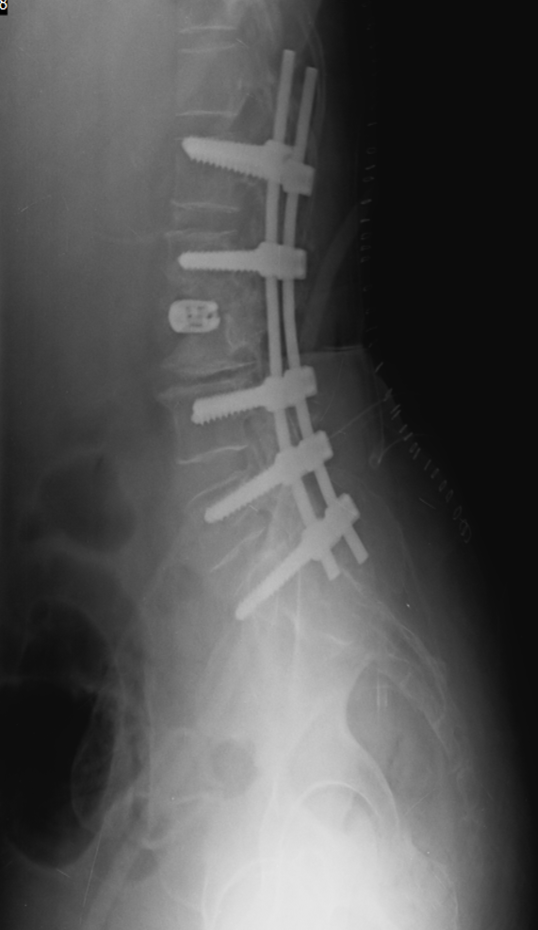
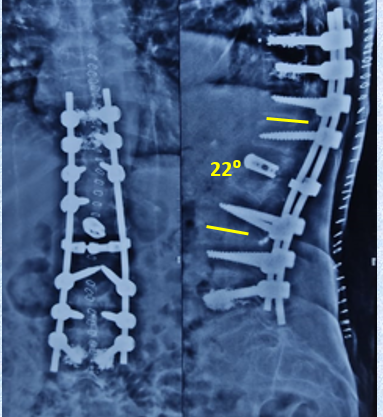
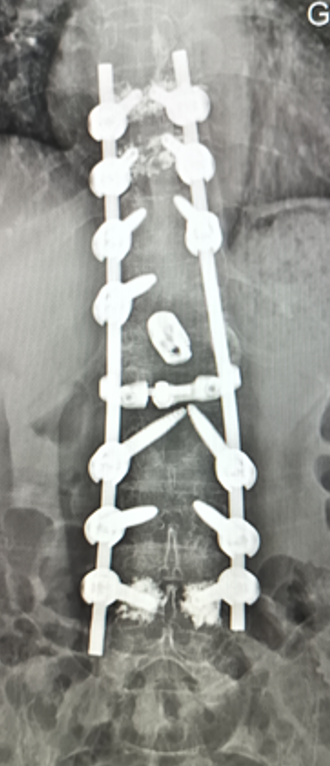
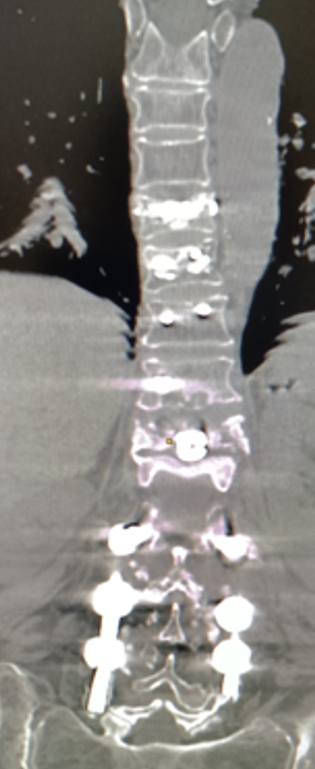
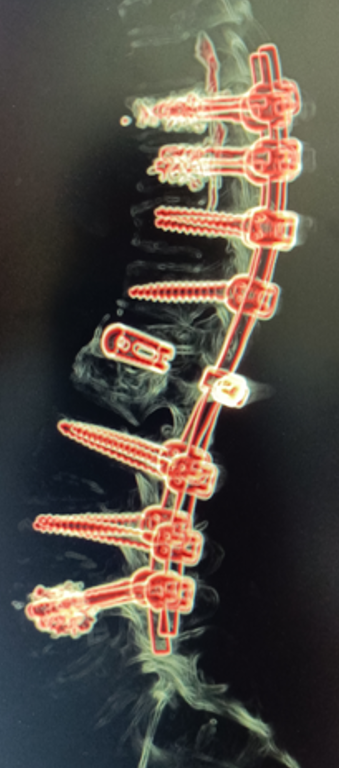
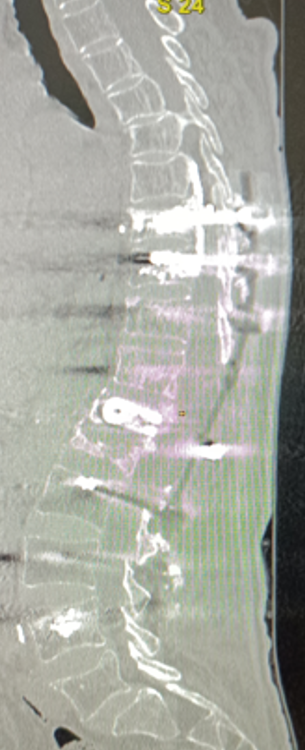
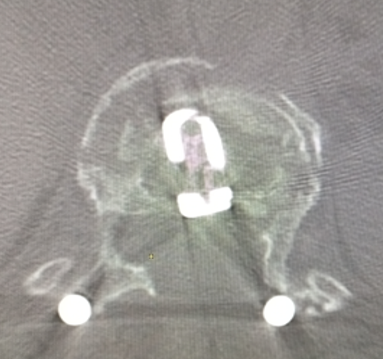
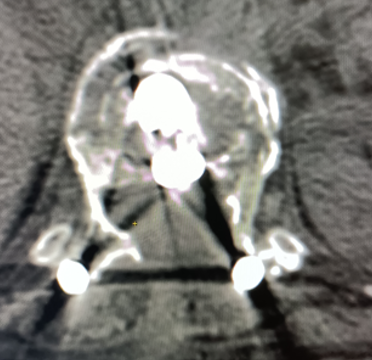
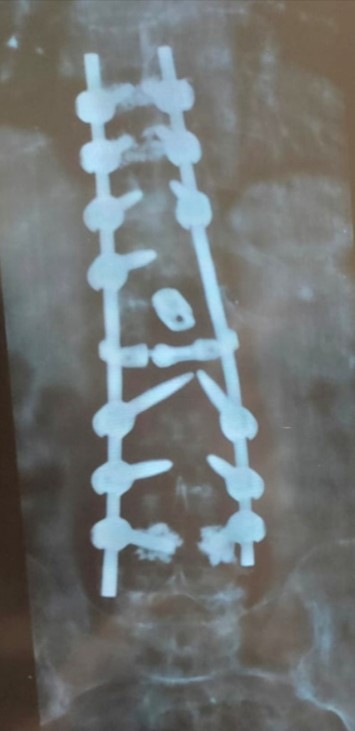
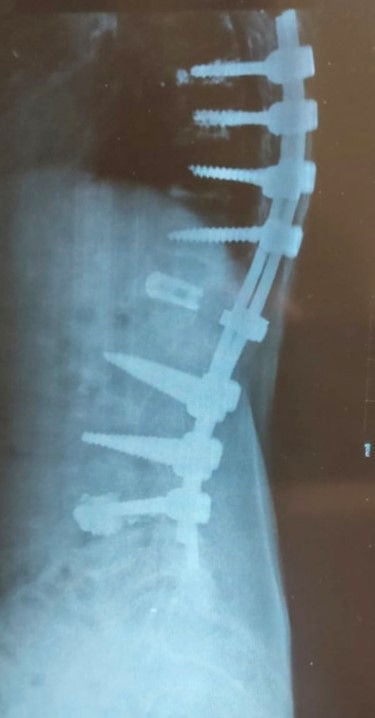
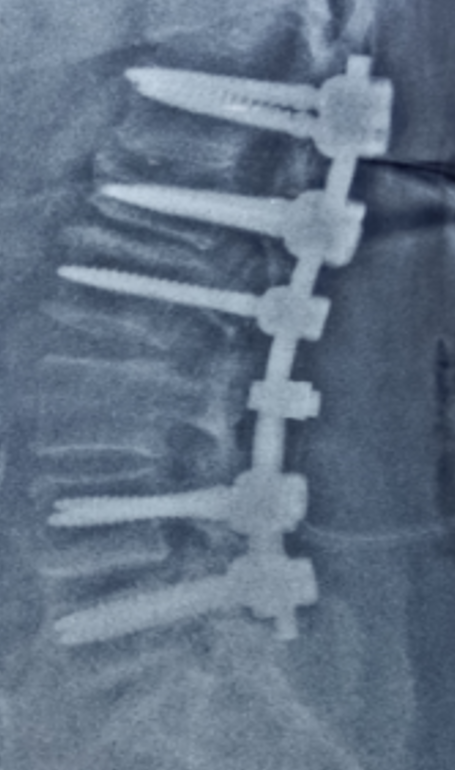
Underwent single stage PMMA augmented screw fixation T9-L4 and anterior reconstruction with cage, bone grafting and local kyphosis correction.
Biopsy reported as tuberculosis spine for which ATT was given
Once weekly teriparatide dose of 60µg for 6 weeks.
Cancellous and cortical bone clearly increased, with enhanced stability in CT, after 6 weeks of treatment
Elderly patients with thoracolumbar tuberculosis and severe osteoporosis, PMMA augmented screw fixation was safe and effective..
Two year follow up
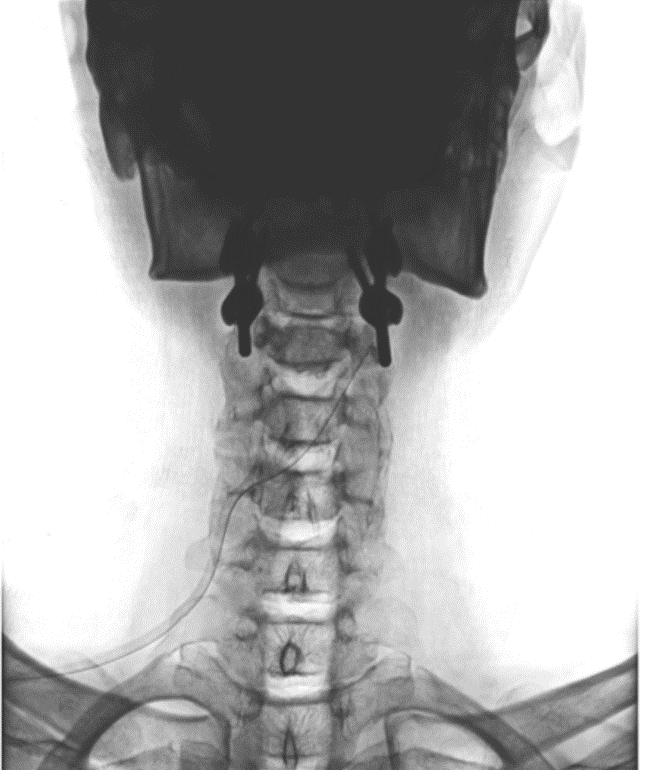
C1C2 Infection and instability
C1C2 Decompression and Fusion , culture grown Staphylococcus aureus
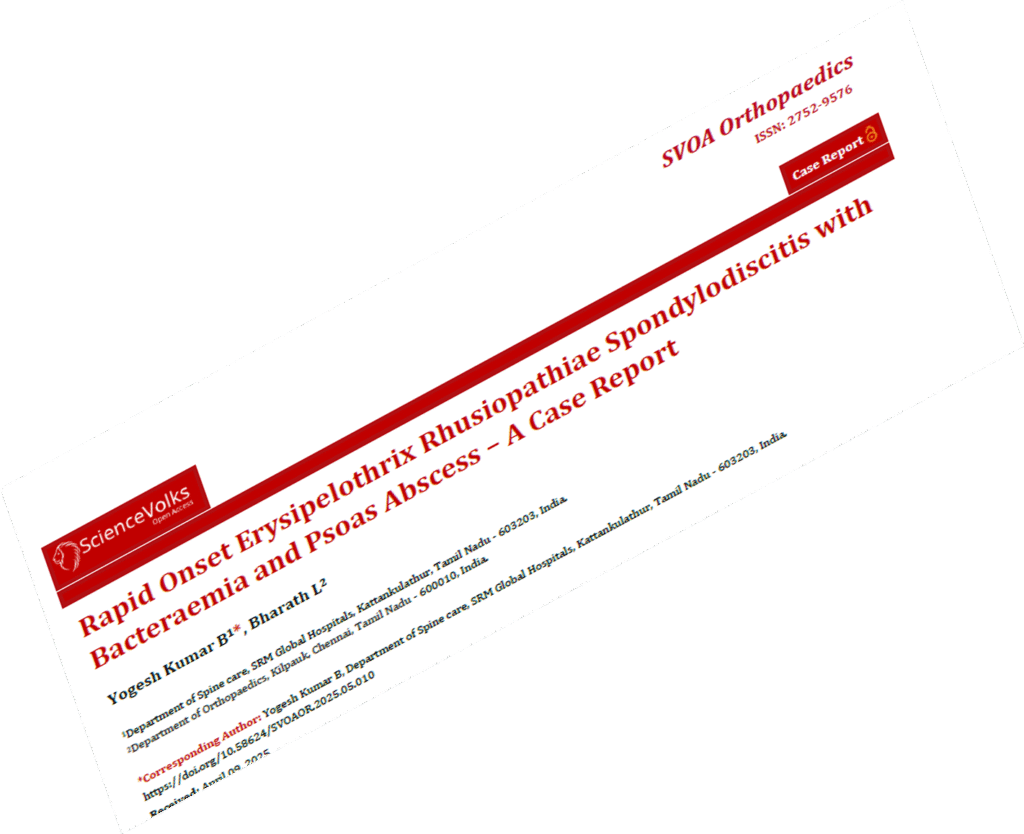
Erysipelothrix rhusiopathiae Spondylodiscitis with bacteraemia and Psoas abscess