Conditions And Treatment​

3

Conditions And Treatment

SPINAL FRACTURES

Breaks or collapses in the vertebrae that comprise the spinal column are referred to as spinal fractures. These fractures may impair neurological function and spinal stability.
picture11

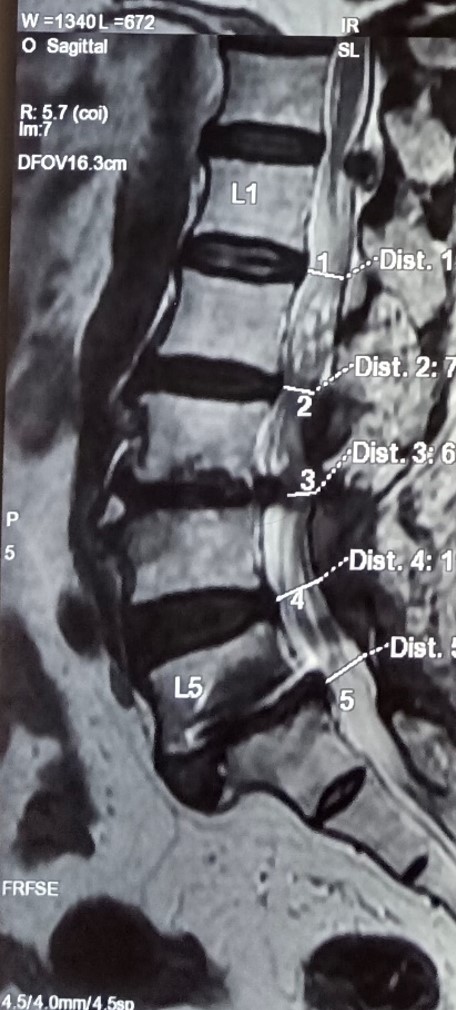
SPINAL DEGENERATIVE DISORDERS

Gradual deterioration of the spinal structures, including intervertebral discs, facet joints, ligaments, and vertebrae, results in degenerative spinal conditions

picture16

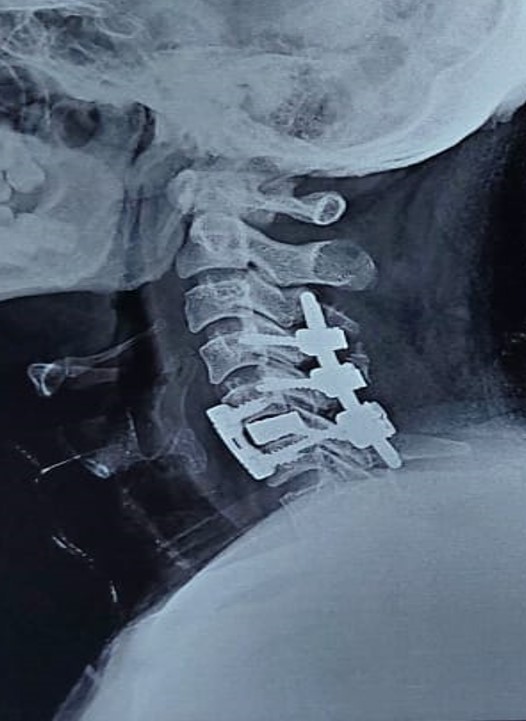
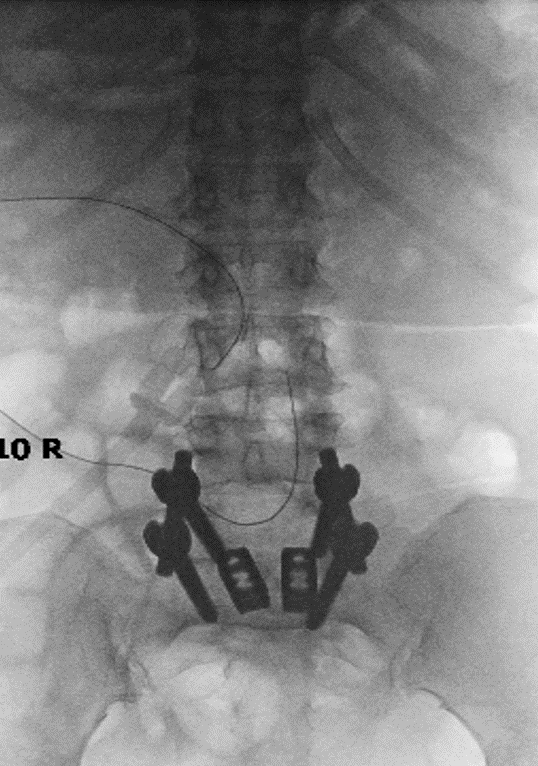
SPINAL INSTABILITY

Abnormal or excessive movement between vertebrae that causes pain, deformity, or neurological symptoms is referred to as spinal instability. Damage to discs, ligaments, facet joints, or vertebrae may be the cause.
picture35

SPINAL INFECTIONS

Infections of the spine can affect the surrounding soft tissues, intervertebral discs, or vertebrae. 

picture56

SPINAL TUMORS

Abnormal growths called spinal tumors can start inside the spine or spread to other areas of the body. They can cause severe neurological problems by compressing the nerves and spinal cord.

picture92

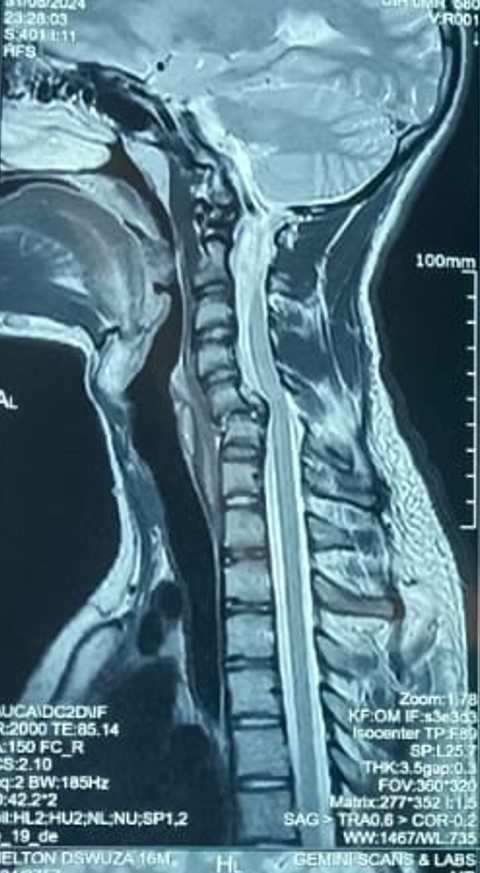
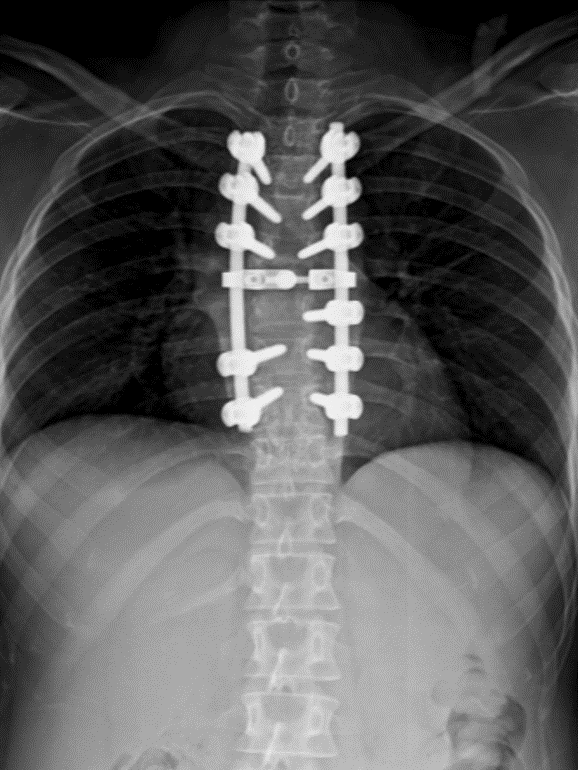
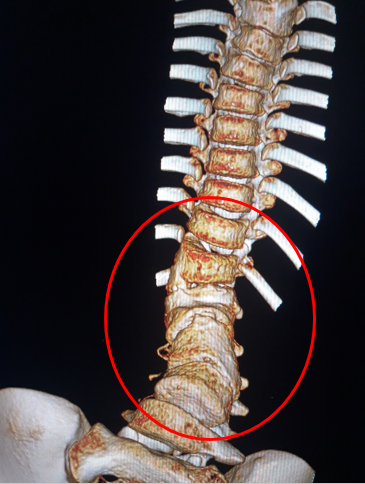
SPINAL DEFORMITY

Such deformities include scoliosis (lateral curvature of the spine), kyphosis (round back) and lordosis (swayback). 

a11

FAQ

Indeed, a lot of fractures heal well, particularly if they are stable and treated promptly.

When there is neurological impairment, instability, or progressive deformity, surgery is necessary.

Indeed, the risk of fracture is greatly increased by osteoporosis.

Although degeneration is normal, its symptoms can be minimized or postponed.

Yes, it is the cornerstone of treatment.

Not necessarily; many patients remain stable for years.

Conservative treatment frequently works well for mild cases.

There may be nerve damage and progressive pain.

Fusion is very successful thanks to modern methods.

No, medication alone is effective in many cases.

6 weeks to several months, on average.

Although they are uncommon, they are dangerous.

It is possible to cure some benign tumors that are discovered early.

No, risk is significantly decreased by early intervention.

Yes, especially degenerative deformities.

With modern techniques, risks are significantly reduced.

Yes, surgery can improve pain and quality of life.